
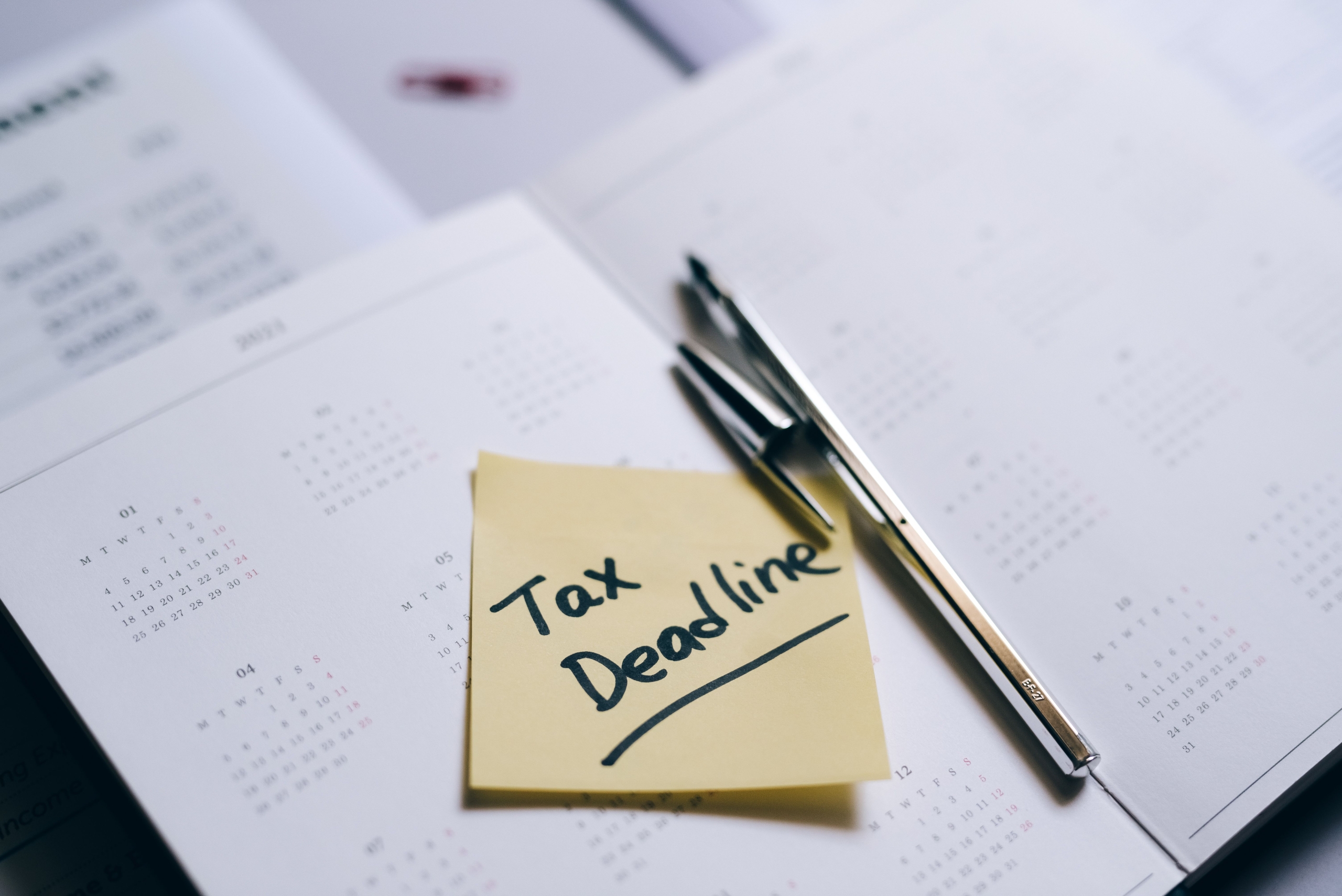
Running a business comes with enough deadlines without having to keep every tax date in your head.
The 2026/27 tax year runs from 6 April 2026 to 5 April 2027, and depending on how your business is structured, there are a number of filing and payment dates you may need to keep track of.
Here are some of the key dates and deadlines business owners should have on their radar.
5 October 2026 – Self Assessment registration
If you need to complete a Self Assessment tax return for the previous tax year and haven’t previously registered, you will generally need to notify HMRC by 5 October 2026.
This can apply, for example, if you have become self-employed or have other income that needs to be reported through Self Assessment.
31 January 2027 – Self Assessment deadline
For most people completing Self Assessment online, 31 January 2027 is an important date.
It is the deadline for paying the Self Assessment tax you owe for 2025/26. If payments on account apply to you, your first payment towards your 2026/27 liability will generally also fall due at this point.
A second payment on account may then be due on 31 July 2027.
Leaving your tax return until January can make it much harder to plan for the amount due. Preparing earlier gives you more time to understand your position and manage cash flow.
Corporation Tax – your deadline depends on your year end
Unlike Self Assessment, Corporation Tax doesn’t have one universal annual deadline.
For companies with taxable profits up to £1.5 million, Corporation Tax will normally need to be paid nine months and one day after the end of the accounting period.
The Company Tax Return is generally due 12 months after the end of the accounting period.
For example, a company with a 31 March 2026 year end would ordinarily need to pay its Corporation Tax by 1 January 2027 and submit its Company Tax Return by 31 March 2027.
Different payment rules can apply to larger companies, including payment by instalments.
Companies House accounts
For an established private limited company, annual accounts will normally need to be filed with Companies House within nine months of the company’s financial year end.
Your first set of accounts can have a different deadline, so it’s important not to assume the standard nine-month rule applies if you’ve only recently incorporated.
VAT deadlines
VAT deadlines depend on your VAT accounting period.
Most VAT-registered businesses submit a VAT Return every three months, with the submission and payment deadline usually one calendar month and seven days after the end of the VAT accounting period.
Your exact deadlines can be checked through your HMRC account.
PAYE deadlines for employers
If you employ staff and pay PAYE electronically, payment is normally due to HMRC by the 22nd of the following tax month.
Businesses paying PAYE quarterly will generally need to pay by the 22nd following the end of the relevant quarter.
Making Tax Digital has changed in 2026
One particularly important development for the 2026/27 tax year is Making Tax Digital for Income Tax.
From 6 April 2026, sole traders and landlords with qualifying annual income from self-employment and property of more than £50,000 are required to use Making Tax Digital for Income Tax, subject to the relevant rules and exemptions.
This means using compatible software to maintain digital records and send quarterly updates to HMRC.
The rollout will widen further: those with qualifying income over £30,000 are due to come within MTD from April 2027, followed by those over £20,000 from April 2028.
Keeping on top of deadlines is only one part of managing your tax affairs effectively. Understanding what is coming up gives you the opportunity to plan ahead, manage cash flow and deal with potential issues before they become urgent.
At Barrons, we work with businesses and individuals throughout the year to keep their accounting and tax affairs on track.
If you’re unsure about an upcoming deadline, your tax position or how the 2026/27 changes affect you, speak to the Barrons team.